

Tech tip1 min read
The Importance of Regular Microfilm Processor Service
Why microfilm processors need regular service, including at least one formal annual PM by a qualified technician.
The processor is the backbone of every microfilm lab. If the processor does not run to specification, consistent-quality microfilm cannot be produced. A common problem in many labs is the lack of proper technical service for the processor.
Highlights
- Worn rollers, gears and pumps can lead to film jams, unstable chemical temperatures and uneven density
- The consequences are damaged film, customer dissatisfaction and wasted time and money
- Even if the lab does its own maintenance, at least one formal annual PM by a qualified service technician is required
- EPM authorized labs must perform daily and monthly tests to make sure the processor meets photographic specifications
Source:Eastman Park Micrographics(epminc.com)(opens in a new tab)
Frequently asked questions
Why is periodic service of a microfilm processor important?
The processor is the backbone of every microfilm lab, and if it does not run to specification, consistent-quality microfilm cannot be produced.
What problems can worn rollers, gears and pumps in a microfilm processor cause?
Worn rollers, gears and pumps can lead to film jams, unstable chemical temperatures and uneven density, resulting in damaged film, customer dissatisfaction and wasted time and money.
Is an annual PM still required if the lab does its own processor maintenance?
Yes, even if the lab does its own maintenance, at least one formal annual PM by a qualified service technician is required.
What tests must EPM authorized labs perform?
EPM authorized labs must perform daily and monthly tests to make sure the processor meets photographic specifications.
Attachments
Comments
No comments yet. Be the first to share your view.
Leave a comment
More to read
Tech tip · Dental Imaging
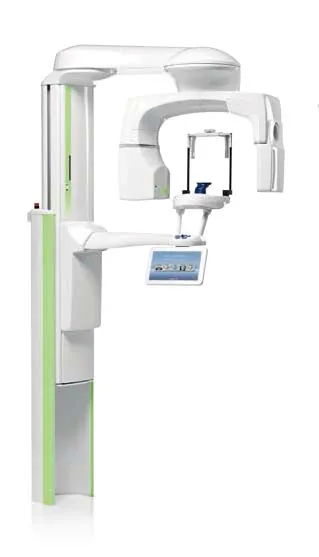
Planmeca ProMax Cephalostat with ProTouch User's Manual
User's manual for the Planmeca ProMax Cephalostat with ProTouch touchscreen, for accurate head positioning and cephalometric imaging on 2D and 3D ProMax units.
Planmeca
Tech tip · Dental Imaging
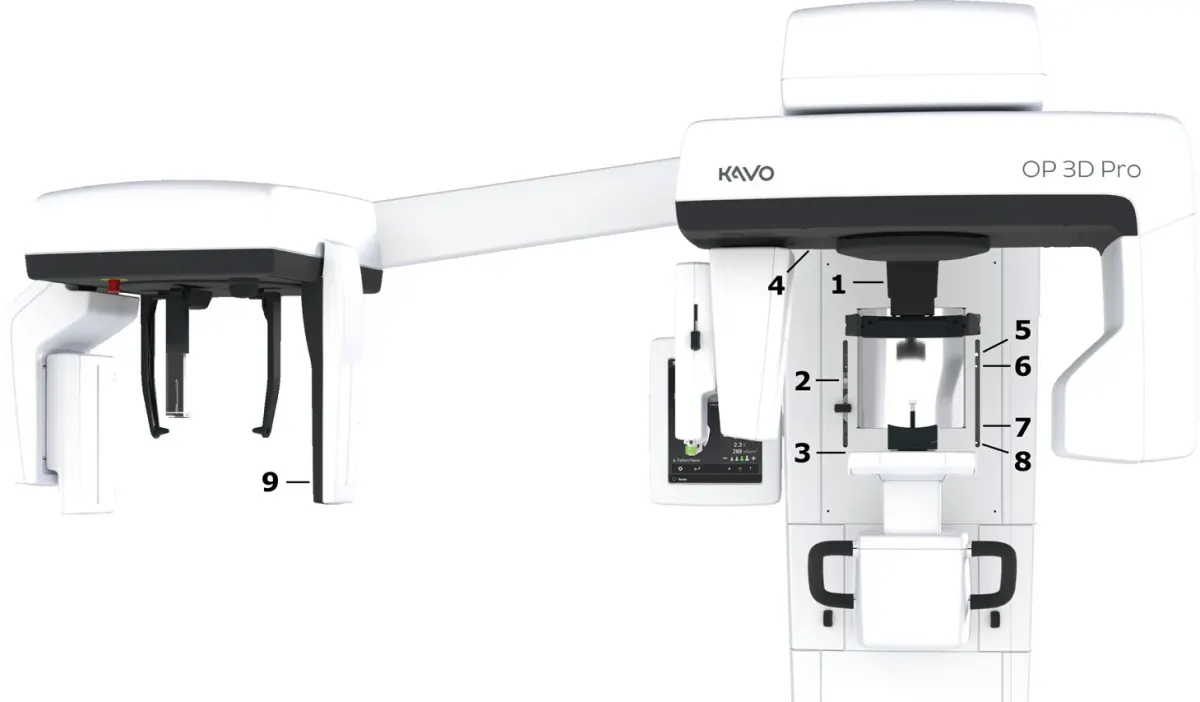
ORTHOPANTOMOGRAPH OP 3D Pro User Manual
User manual and technical specifications for the OP 3D Pro digital dental imaging system with panoramic, cephalometric and Cone Beam 3D programs.
Instrumentarium Dental
Tech tip · Microfilm
Tech Tip 91: Choosing the Correct IMAGELINK Product
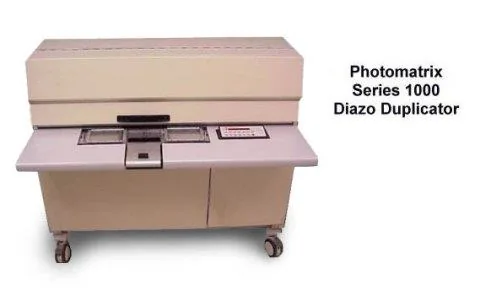
IMAGELINK camera, duplicating, Archive Writer and COM films and processing chemicals grouped by equipment and application, with catalog numbers.
Eastman Park Micrographics