

Tech tip2 min read
Deep Tank Processor Chemistry Conversion Procedure
Step-by-step procedure for a smooth change of chemistry brand or type in deep tank microfilm processors.
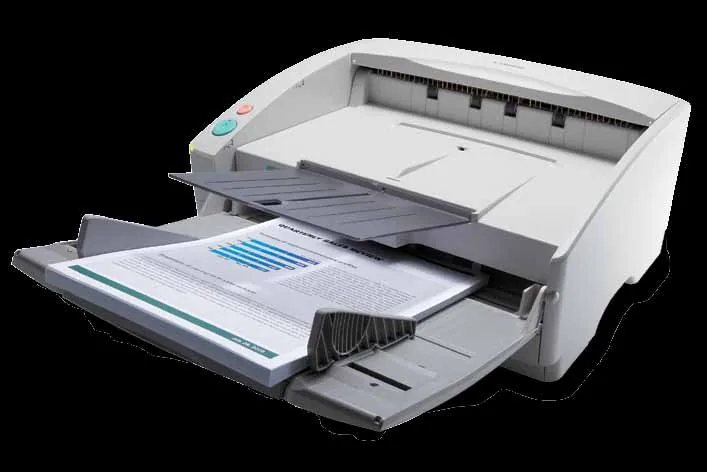
This procedure is a guide to a smooth transition from one manufacturer's chemistry to another, or from one chemistry type to another, in deep tank processors.
Highlights
- Before shutdown, the control strip reference step must be within the allowed range and its value recorded
- Fresh developer gives higher density; season the new chemistry or mix one gallon of the old developer with the new chemistry
- Finally, adjust transport speed until within ±.02 of the recorded reference density
Before shutting down the processor
- Run the process control routine twice to confirm stability
- Without a sensitometer, monitor the LD and RD steps of the pre-exposed strip
- Check production work to rule out a control strip error
Conversion steps
- Turn off the heating elements
- Drain the processor and replenishment system
- Remove the filters and reinstall the housings without new filters
- Wash and clean the tanks and rollers; for heavy silver deposits, use Imagelink Developer Systems Cleaner
- Fill the processor and replenishment system with clean hot water
- Circulate the water for 30 minutes with the transport drive on at zero speed
- Drain the replenishment system and fill it with the new chemistry at the specified ratio: Microfilm Developer 1:7 (specific gravity 1.045 to 1.055) and Microfilm Fixer 1:3 (specific gravity 1.085 to 1.105)
- Set the replenisher according to film width, film type and transport speed per the manufacturer's manual or Pamphlet D-30
- Drain the processor
- Install new filters on the recirculation pumps
- Fill the tanks with the new chemistry, preferably through the replenishment system
- Turn on the heating elements and bring to the specified temperature
- Once the temperature is stable, set transport speed for the correct dwell time
- Splice and process 5 customer control strips in the darkroom
- Record the average reference step density
- Adjust transport speed until within ±.02 of the reference density recorded before the chemistry change
For more information, refer to D-17 Control Procedures for Source Document Microfilm Processing.
Source:Eastman Park Micrographics(epminc.com)(opens in a new tab)
Frequently asked questions
What checks should be done before shutting down a deep tank microfilm processor for a chemistry change?
Before shutdown, the control strip reference step must be within the allowed range and recorded, the process control routine must be run twice, and if there is no sensitometer the LD and RD steps of the pre-exposed strip must be monitored.
Which cleaner is used for heavy silver deposits when cleaning a deep tank microfilm processor?
For heavy silver deposits, Imagelink Developer Systems Cleaner is used.
What are the mixing ratios and specific gravities for Microfilm Developer and Microfilm Fixer in a deep tank microfilm processor?
Microfilm Developer is used at 1:7 with specific gravity 1.045 to 1.055, and Microfilm Fixer is used at 1:3 with specific gravity 1.085 to 1.105.
Why should fresh developer be seasoned when changing chemistry in a deep tank microfilm processor?
Fresh developer gives higher density, so the new chemistry should be seasoned or one gallon of the old developer should be mixed with the new chemistry.
Attachments
Comments
No comments yet. Be the first to share your view.
Leave a comment
More to read
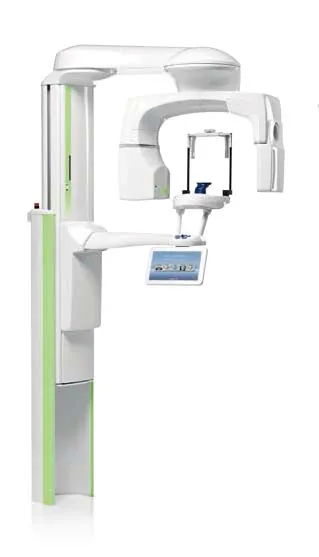
Tech tip · Dental Imaging
Planmeca ProMax Cephalostat with ProTouch User's Manual
User's manual for the Planmeca ProMax Cephalostat with ProTouch touchscreen, for accurate head positioning and cephalometric imaging on 2D and 3D ProMax units.
Planmeca
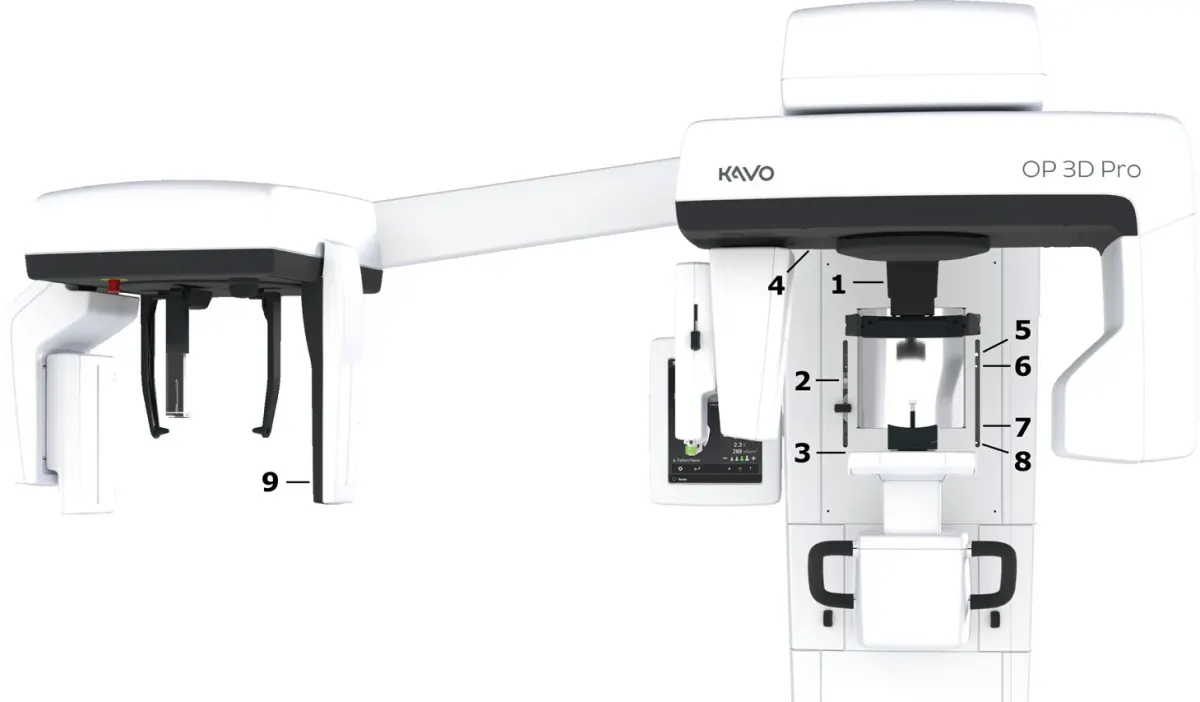
Tech tip · Dental Imaging
ORTHOPANTOMOGRAPH OP 3D Pro User Manual
User manual and technical specifications for the OP 3D Pro digital dental imaging system with panoramic, cephalometric and Cone Beam 3D programs.
Instrumentarium Dental
Tech tip · Microfilm
Tech Tip 91: Choosing the Correct IMAGELINK Product
IMAGELINK camera, duplicating, Archive Writer and COM films and processing chemicals grouped by equipment and application, with catalog numbers.
Eastman Park Micrographics