

Tech tip1 min read
Silver Recovery Techniques in Micrographics
Silver recovery in micrographics: metallic replacement and electrolytic plating, and why recovery matters for economics and regulations.
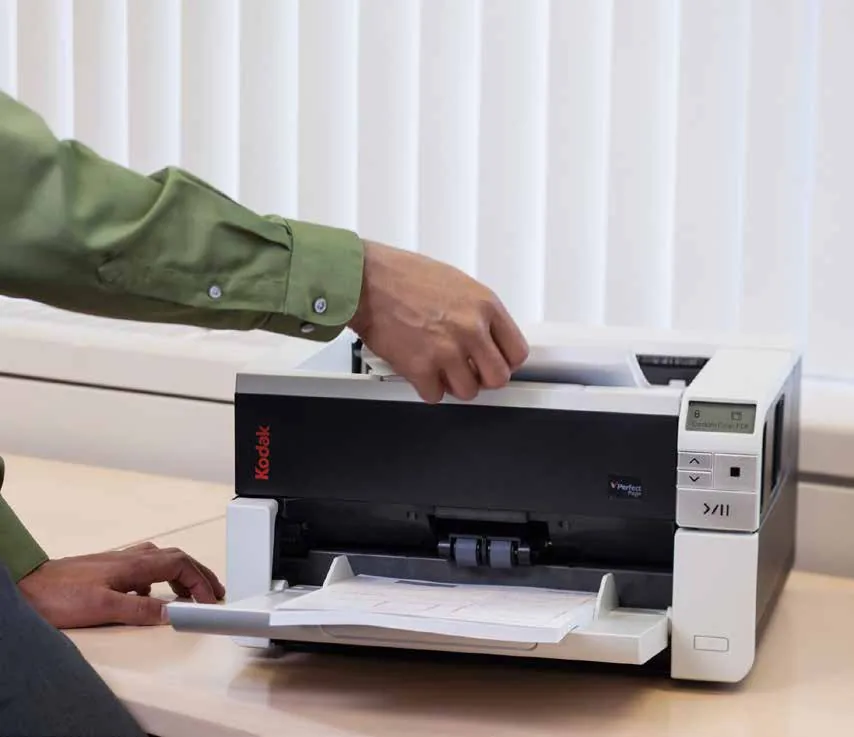
Recovering silver from scrap film and spent processing solutions matters both to conserve this valuable resource and for economic reasons. In addition, silver is classified in many countries as a priority pollutant and toxic metal, and recovering it is necessary to comply with environmental regulations.
Highlights
- Two common methods in micrographics: Metallic Replacement and Electrolytic Plating
- Electrolytic Plating is more economical for high volumes of processed film
- In this method, a controlled direct current passes between a cathode and an anode in the fixer solution, and nearly pure silver plates onto the cathode
- The method is relatively clean, allows the fixer to be reused and produces high-purity silver
- Various types of silver recovery units are available from different manufacturers
Source:Eastman Park Micrographics(epminc.com)(opens in a new tab)
Frequently asked questions
What are the two common silver recovery methods in micrographics?
The two common methods are Metallic Replacement and Electrolytic Plating.
How does Electrolytic Plating work?
A controlled direct current passes between a cathode and an anode in the fixer solution, and nearly pure silver plates onto the cathode.
Why is silver recovery important?
It conserves a valuable resource and has economic value, and because silver is classified as a priority pollutant and toxic metal, recovery is needed to comply with environmental regulations.
For what volume is Electrolytic Plating more economical?
It is more economical for high volumes of processed film.
What are the advantages of Electrolytic Plating?
The method is relatively clean, allows the fixer to be reused, and produces high-purity silver.
Attachments
Comments
No comments yet. Be the first to share your view.
Leave a comment
More to read
Tech tip · Dental Imaging
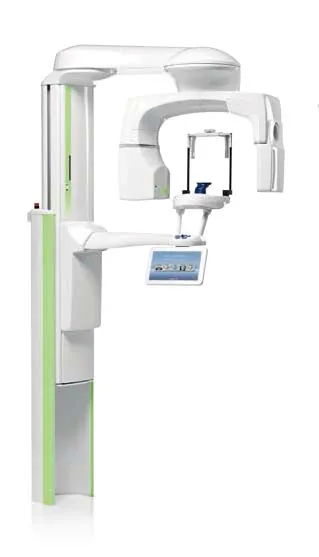
Planmeca ProMax Cephalostat with ProTouch User's Manual
User's manual for the Planmeca ProMax Cephalostat with ProTouch touchscreen, for accurate head positioning and cephalometric imaging on 2D and 3D ProMax units.
Planmeca
Tech tip · Dental Imaging
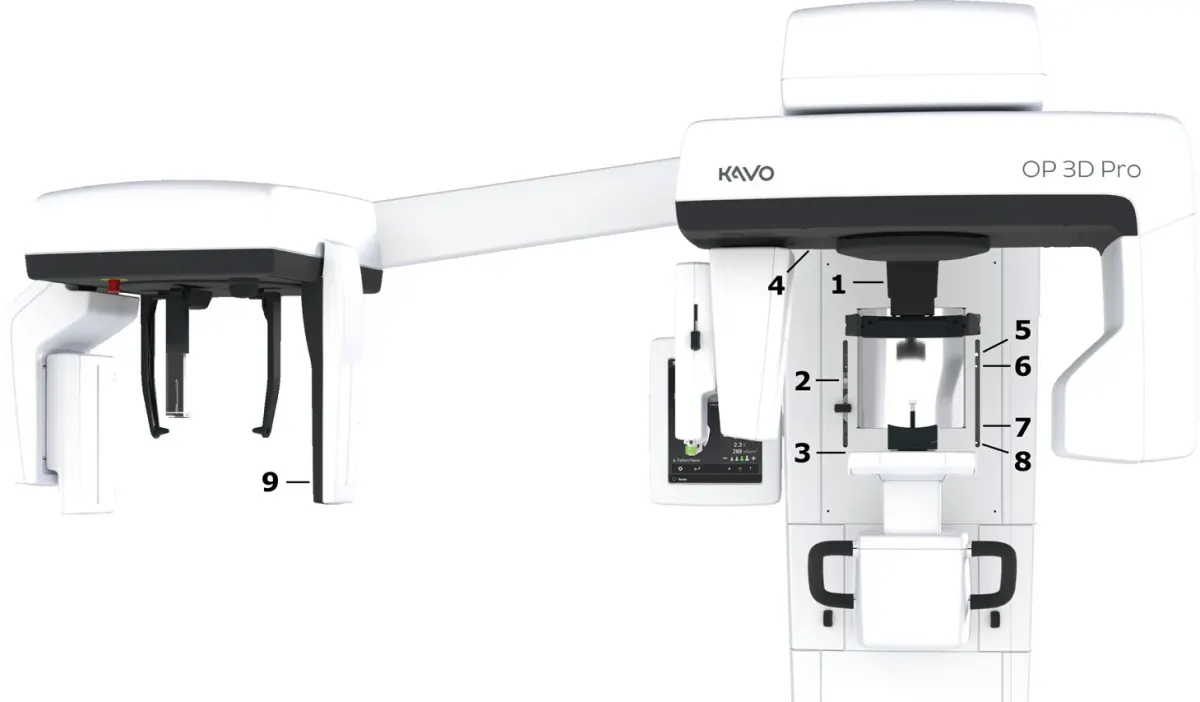
ORTHOPANTOMOGRAPH OP 3D Pro User Manual
User manual and technical specifications for the OP 3D Pro digital dental imaging system with panoramic, cephalometric and Cone Beam 3D programs.
Instrumentarium Dental
Tech tip · Microfilm
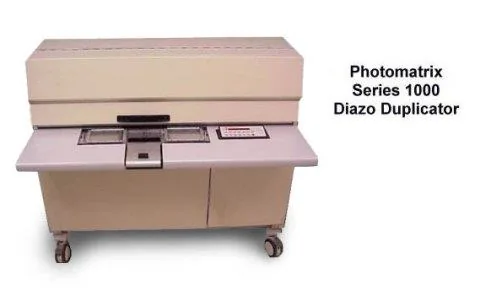
Tech Tip 91: Choosing the Correct IMAGELINK Product
IMAGELINK camera, duplicating, Archive Writer and COM films and processing chemicals grouped by equipment and application, with catalog numbers.
Eastman Park Micrographics