

Tech tip2 min read
EPM Tech Tip 066: Density, Contrast and the 1.00 Density Aim
Why 1.00 is the density aim for microfilm processors and cameras, with a review of the characteristic curve, contrast, density and exposure.
This Eastman Park Micrographics (EPM) guide explains why a density of 1.00 is used as the aim for microfilm processors and cameras and reviews basic concepts such as the characteristic curve, contrast, density and exposure.
Highlights
- As exposure increases, film density increases.
- The approximate density range of micrographic documents is 0.75 to 1.30, and 1.00 sits in the center of the curve.
- In document microfilm, D-Min and the Reference Density AIM are the most important values.
- A correct D-Min (0.03 to 0.06) ensures sufficient clarity in light areas and proper contrast.
- A Reference Density AIM close to 1.00 ensures sufficient darkness in black areas.
- These ranges are a general rule for rotary and planetary cameras and film writers, and specifications from other bodies may take precedence.
- The AIIM-MS 23 standard classifies documents into 4 groups by contrast and quality.
Description
The characteristic curve of each Kodak microfilm shows the relationship between exposure and density under given processing conditions. Contrast refers to the density range of the negative, and density refers to how dark an area is and how much light passes through it. The appropriate density level is achieved by changing the exposure at the filming stage, which allows documents with different contrast levels and colors to be captured successfully.
Source:Eastman Park Micrographics(epminc.com)(opens in a new tab)
Frequently asked questions
Why is a density of 1.00 used as the aim for microfilm processors and cameras?
A density of 1.00 sits in the center of the curve, and a Reference Density AIM close to 1.00 ensures sufficient darkness in black areas.
What is the approximate density range of micrographic documents?
The approximate density range of micrographic documents is 0.75 to 1.30.
What is the correct D-Min value and what does it ensure?
A correct D-Min is 0.03 to 0.06 and ensures sufficient clarity in light areas and proper contrast.
How does the AIIM-MS 23 standard classify documents?
The AIIM-MS 23 standard classifies documents into 4 groups by contrast and quality.
What relationship does the characteristic curve of each Kodak microfilm show?
The characteristic curve of each Kodak microfilm shows the relationship between exposure and density under given processing conditions.
Attachments
Comments
No comments yet. Be the first to share your view.
Leave a comment
More to read
Tech tip · Dental Imaging
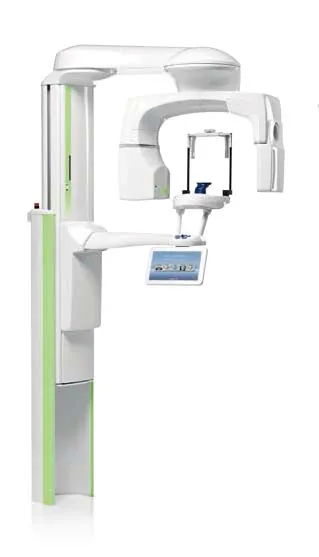
Planmeca ProMax Cephalostat with ProTouch User's Manual
User's manual for the Planmeca ProMax Cephalostat with ProTouch touchscreen, for accurate head positioning and cephalometric imaging on 2D and 3D ProMax units.
Planmeca
Tech tip · Dental Imaging
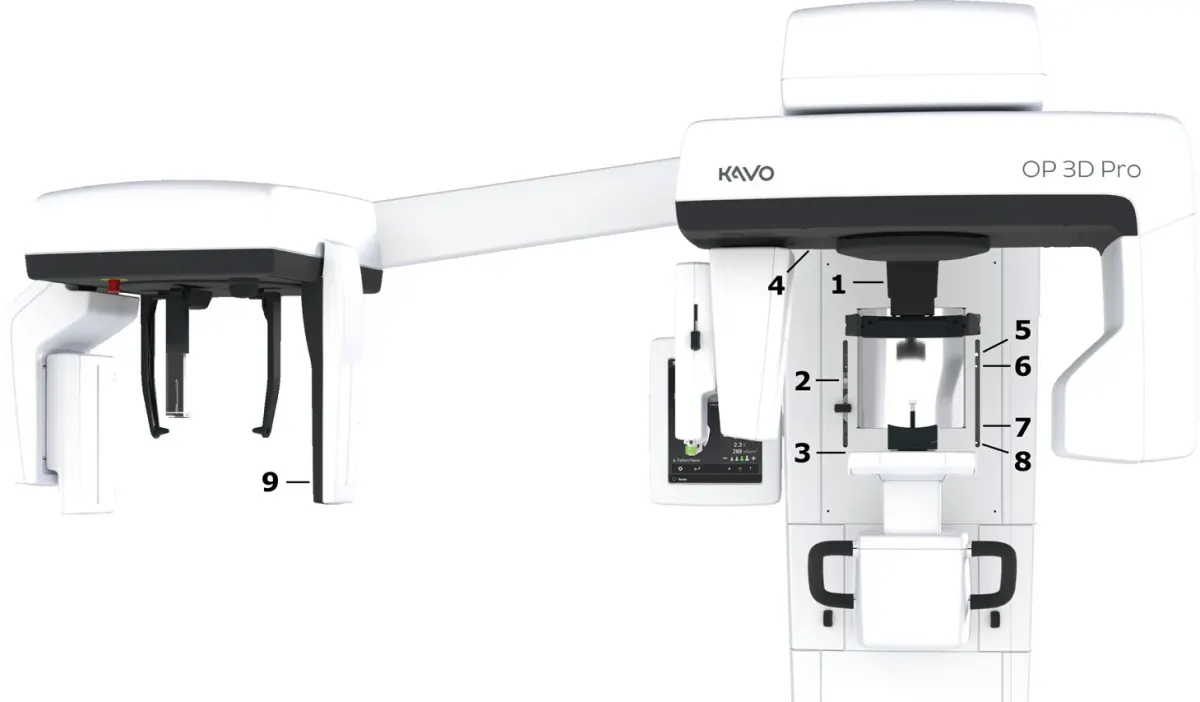
ORTHOPANTOMOGRAPH OP 3D Pro User Manual
User manual and technical specifications for the OP 3D Pro digital dental imaging system with panoramic, cephalometric and Cone Beam 3D programs.
Instrumentarium Dental
Tech tip · Microfilm
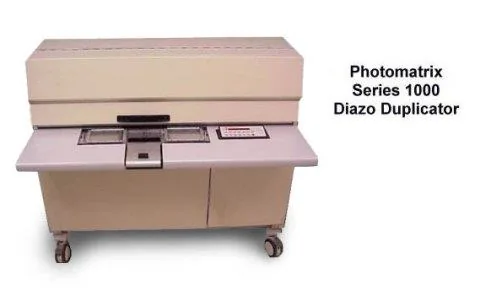
Tech Tip 91: Choosing the Correct IMAGELINK Product
IMAGELINK camera, duplicating, Archive Writer and COM films and processing chemicals grouped by equipment and application, with catalog numbers.
Eastman Park Micrographics