

Tech tip2 min read
Film Processing Lab Decommissioning Procedure
Standard procedure for removing chemicals, equipment and contaminated materials from a film processing lab, including silver recovery and safety.
The goal of this procedure is to remove all chemicals and contaminated equipment, plumbing and building materials from a processing lab before the property is sold or a lease ends. The plan provides a standard method that can be expanded for the specific conditions of each facility.
Highlights
- Appoint a team leader to plan, supervise and document the work with the Environmental Closure Checklist
- People without technical skills do not handle hazardous chemicals or power tools
- Silver-bearing solutions should be sent to the silver recovery system as soon as possible after processing stops
- Contact between chlorine bleach and fixer or bleach-fix can release dangerous chlorine gas
Standard equipment
- Air compressor, hose with spray nozzle (3/4" ID), pressure washer and wet vacuum
- Broom, squeegee, mop and bucket
- Safety glasses, face shield, chemical apron and gloves, leather gloves and hard hat
- Working telephone line and emergency eyewash and shower
Safety requirements
- Team familiarity with the chemicals, Hazard Communication training and MSDS kept on site
- Personal protective equipment appropriate to each task
- Emergency numbers posted by the telephone, and fire alarm and emergency lighting systems kept in service
- No working alone with power tools or hazardous materials
- Follow lockout / tagout procedures
- Assess asbestos-containing materials in buildings constructed before 1980
Procedure
- Review permits and local regulations on notification before shutdown
- Review the asbestos report, chemical hazards and safe work practices with the team
- Send silver-bearing solutions (fix, bleach-fix, low-flow wash) to the silver recovery system
- Drain other solutions from the processors in the week after shutdown, in line with local sewer regulations
- Triple rinse the processor tanks with circulating water and wash the tank floors
- Pressure wash processor bodies, trays and platforms
- Relocate or dispose of the cleaned processors; stainless steel can be recycled
- Drain primary silver recovery equipment into the secondary system (TMT or MRC), wash it and send the silver sludge to a refiner
- Send TMT filters and MRCs to a silver refiner with shipping documentation
Source:Eastman Park Micrographics(epminc.com)(opens in a new tab)
Frequently asked questions
How should silver-bearing solutions be handled in a film processing lab?
Silver-bearing solutions such as fix, bleach-fix, and low-flow wash should be sent to the silver recovery system as soon as possible after processing stops.
What hazard can occur if chlorine bleach contacts fixer or bleach-fix?
Contact between chlorine bleach and fixer or bleach-fix can release dangerous chlorine gas.
How should film processor tanks be rinsed before removal?
The processor tanks must be triple rinsed with circulating water and the tank floors washed.
What equipment is used to pressure wash film processors?
An air compressor, hose with spray nozzle (3/4" ID), pressure washer and wet vacuum are used.
What must be assessed in buildings constructed before 1980 during lab decommissioning?
Asbestos-containing materials in the building must be assessed.
How must TMT filters and MRCs be sent for silver refining?
TMT filters and MRCs must be sent to a silver refiner with shipping documentation.
Attachments
Comments
No comments yet. Be the first to share your view.
Leave a comment
More to read
Tech tip · Dental Imaging
Planmeca ProMax Cephalostat with ProTouch User's Manual
User's manual for the Planmeca ProMax Cephalostat with ProTouch touchscreen, for accurate head positioning and cephalometric imaging on 2D and 3D ProMax units.
Planmeca
Tech tip · Dental Imaging
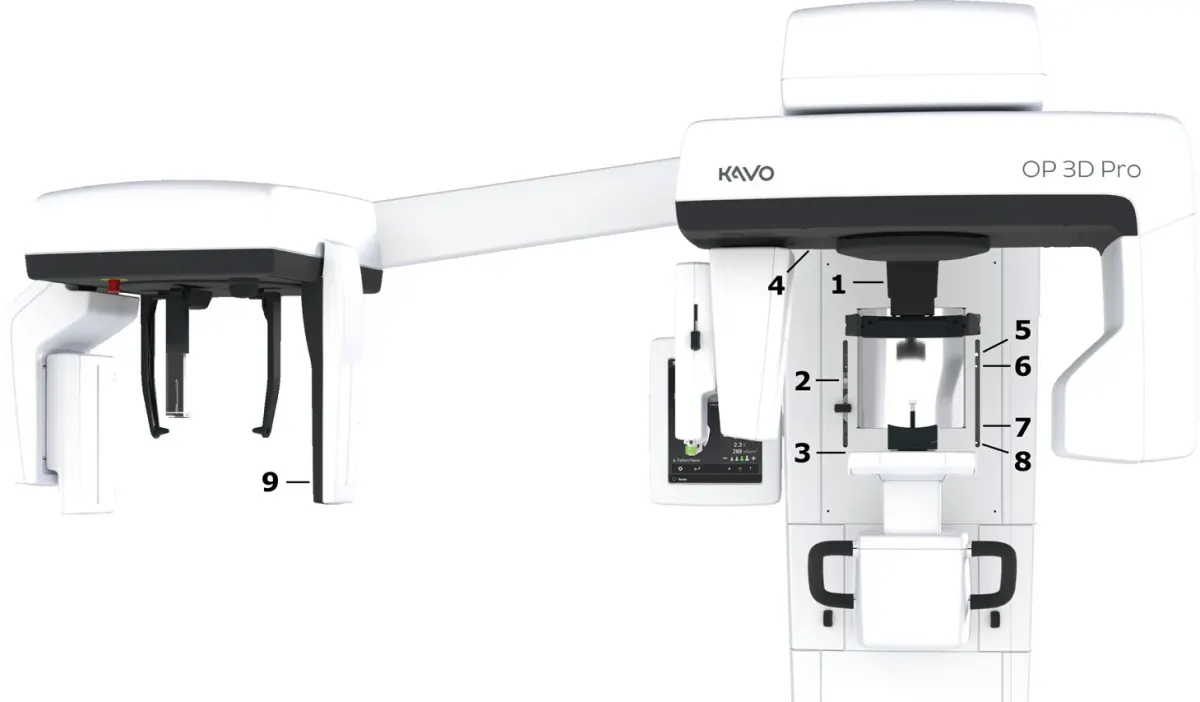
ORTHOPANTOMOGRAPH OP 3D Pro User Manual
User manual and technical specifications for the OP 3D Pro digital dental imaging system with panoramic, cephalometric and Cone Beam 3D programs.
Instrumentarium Dental
Tech tip · Microfilm
Tech Tip 91: Choosing the Correct IMAGELINK Product
IMAGELINK camera, duplicating, Archive Writer and COM films and processing chemicals grouped by equipment and application, with catalog numbers.
Eastman Park Micrographics