

Tech tip1 min read
EPM Tech Tip 039: Densitometer Use and Calibration Procedure
Guidelines for correct densitometer use and daily calibration so that film density readings are accurate and repeatable.
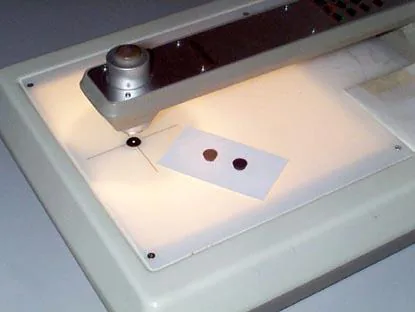
This Eastman Park Micrographics (EPM) guide describes the principles of correct densitometer use and calibration for measuring film density so that readings are accurate and repeatable.
Highlights
- The densitometer should not be located in the darkroom.
- Turn the unit on at the start of the day and leave it on.
- Aperture size should suit the image reduction ratio; usually the largest usable aperture gives the best average density.
- Clean the reading surface once a day with a lint-free cloth slightly dampened with water.
- Follow the manufacturer's preventive maintenance schedule.
- Calibrate the unit at least once a day with the manufacturer's calibration patch.
- The Quality Assurance Lab density strip is for correlating readings only, not for calibration.
- Check the zero before each reading and do not rush readings.
- Most densitometers require the film to be read emulsion up and in the center of the patch.
Description
Density measurement accuracy depends on environmental conditions, keeping the unit steadily powered on, selecting the right aperture and regular calibration. Calibration must be done with the manufacturer's reference patch, and the strip sent by the Quality Assurance Lab is used only to compare your unit's readings with those of the lab's unit.
Source:Eastman Park Micrographics(epminc.com)(opens in a new tab)
Frequently asked questions
How often should a densitometer be calibrated?
The unit must be calibrated at least once a day with the manufacturer's calibration patch.
Can the Quality Assurance Lab density strip be used for calibration?
No, it is for correlating readings only, not for calibration.
Should a densitometer be placed in the darkroom?
No, the densitometer should not be located in the darkroom.
How should the film be positioned for density measurement?
Most densitometers require the film to be read emulsion up and in the center of the patch.
Why is the largest usable aperture preferred?
The aperture size should suit the image reduction ratio; usually the largest usable aperture gives the best average density.
Attachments
Comments
No comments yet. Be the first to share your view.
Leave a comment
More to read
Tech tip · Dental Imaging
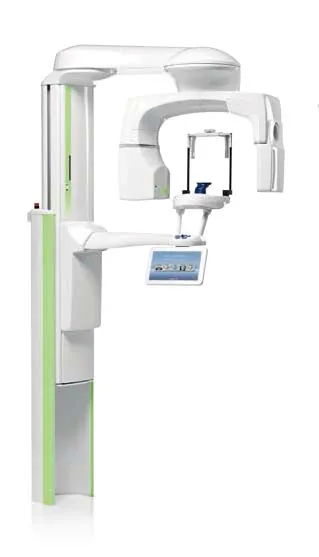
Planmeca ProMax Cephalostat with ProTouch User's Manual
User's manual for the Planmeca ProMax Cephalostat with ProTouch touchscreen, for accurate head positioning and cephalometric imaging on 2D and 3D ProMax units.
Planmeca
Tech tip · Dental Imaging
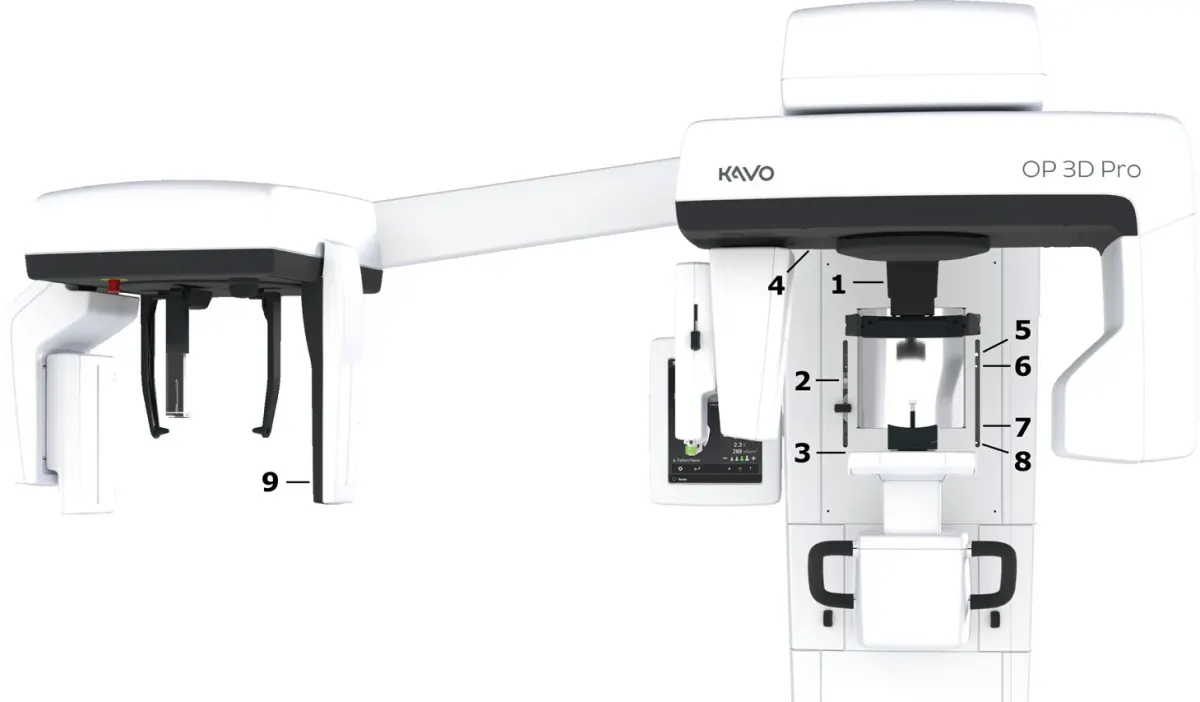
ORTHOPANTOMOGRAPH OP 3D Pro User Manual
User manual and technical specifications for the OP 3D Pro digital dental imaging system with panoramic, cephalometric and Cone Beam 3D programs.
Instrumentarium Dental
Tech tip · Microfilm
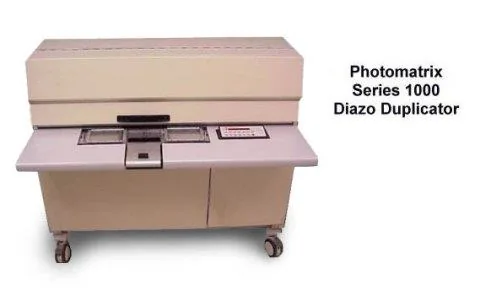
Tech Tip 91: Choosing the Correct IMAGELINK Product
IMAGELINK camera, duplicating, Archive Writer and COM films and processing chemicals grouped by equipment and application, with catalog numbers.
Eastman Park Micrographics