
DR Detectors· Hospital
Agfa project
Klinikum Nürnberg Case Study: Moving to DR with DX-D 100 and DX-D Retrofit
How Klinikum Nürnberg, Germany, moved from CR to DR with the DX-D 100 mobile and DX-D Retrofit, sharing one CsI detector after a one-day integration.
This case study is a reference published by Agfa.
Source: agfahealthcare.com
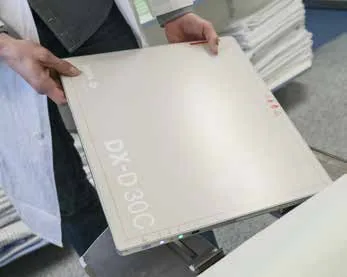
Klinikum Nürnberg is one of the largest municipal hospitals in Europe, with 2,370 beds. After moving from film to CR, the radiology department at the Nord site, headed by Prof. Dr. Reinhard Loose, has been upgrading step by step to DR with Agfa HealthCare's DX-D 100 mobile radiography system and the DX-D Retrofit upgrade. A shared CsI detector, one-day integration and immediate image availability are among the main results of the project.
Highlights
- CsI detector chosen in anticipation of a 30 to 40% lower dose
- DX-D 100 linked to the hospital network by WLAN, with images available immediately after exposure
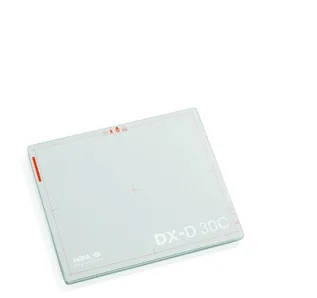
- DX-D Retrofit detector identical to the DX-D 100 detector and shared between the two systems
- Plug and play integration with pre-configured software, completed in one day
- Compatibility with validated third-party software (RIS client with DICOM worklist)
- Savings of 1 to 2 minutes of technologist time per image
- Replacement of a chest stand handling 20,000 exposures per year
- Dose parameters recorded with DICOM Structured Reporting
Project description
The hospital has two main sites, and the medical physics department is responsible for more than 120 X-ray units, most of which are mobile devices in operating rooms and on the wards. With all intensive care units brought together on the new East campus, carrying 15 to 20 CR cassettes a day was no longer practical, and the hospital decided to introduce a mobile DR system with a flat panel detector, the DX-D 100.
In the next step, a CR room was upgraded with DX-D Retrofit. Because its detector is the same as that of the DX-D 100, the two systems share the detector, which increases productivity and cost efficiency. Agfa technicians had pre-configured the software, and integration was completed in one day.
DX-D Retrofit has proven to be a highly reliable system in daily clinical work. The NX workstation receives the DICOM worklist together with the image parameters, and tube voltage, mAs, exposure time and DAP are recorded in the image at all stations. According to Prof. Loose, much more detail is visible at the same dose.
The hospital's future plans include equipping more departments with DX-D Retrofit, adding a second DX-D 100 for the surgical ICU and optimizing dose with the new generation of MUSICA.
Products used
- DX-D Retrofit: DR upgrade without replacing equipment, choice of CsI or GOS detector, MUSICA and NX workstation, connectivity to PACS and HIS/RIS
- DX-D 100: wireless mobile radiography, immediate image acquisition, HIS/RIS/PACS integration and potential for dose reduction
Installed products
 DR Detectors