

Article2 min read
Next Generation MUSICA: More from Each Image
Agfa HealthCare experts on next generation MUSICA image processing and Fractional Multiscale Processing for more detail in CR and DR images.
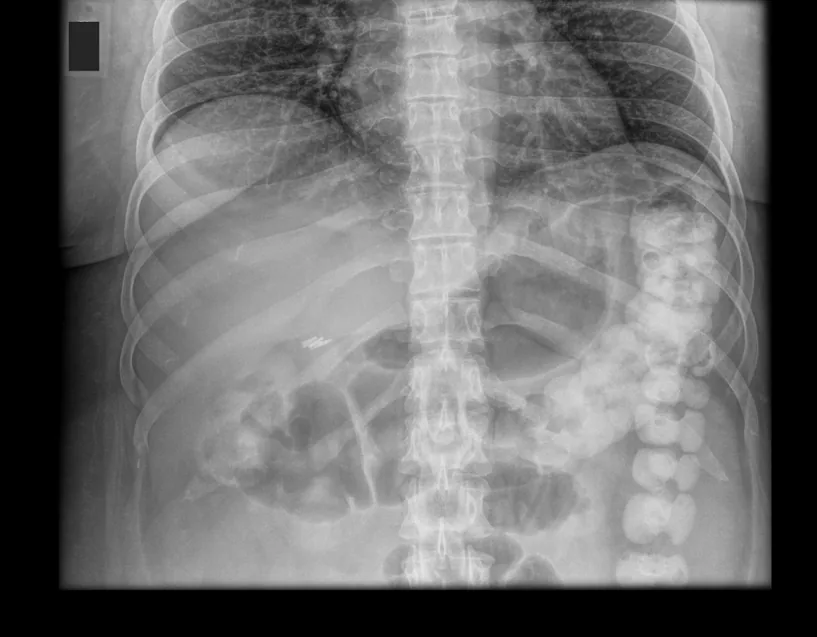
In this interview, Piet Vuylsteke (Senior Researcher) and Jan Leeuws (Business Manager Digital Radiography) at Agfa HealthCare explain the technology behind the next generation of MUSICA image processing software. Using the Fractional Multiscale Processing (FMP) algorithm, this version extracts more detail from CR and DR images while remaining fully automatic and exam-independent.
Highlights
- MUSICA is fully automatic and needs no processing parameter adjustment per exam or exposure technique
- Performance is independent of patient size (adult, child, neonate) and exam type
- The new FMP algorithm renders grayscale transitions more naturally in areas of abrupt density change, without artifacts
- No need to adjust window level to see details
- More consistent, homogeneous images and simpler installation
- Developed in collaboration with university and regional hospitals in specialties such as pediatrics and chest imaging
Article
The introduction of MUSICA (MUltiScale Image Contrast Amplification) in the 1990s was a technological leap: automatic, exam-independent processing of digital images, with contrast enhancement based on multiscale mathematics. Next generation MUSICA keeps all the benefits of earlier versions and is intended to be available for all of the company's CR and DR systems. The main design goal was consistent, high image quality across all exams, all patients and all hospitals at the lowest possible radiation dose.
To better render the most difficult image areas, such as abrupt transitions from low to high density, the Fractional Multiscale Processing algorithm was applied. In this approach, image processing filters are broken down into smaller parts that are processed separately. Contrast, noise and grayscale adaptation mechanisms have also been improved.
With a larger dynamic range, detail and consistency of presentation have improved, especially in images with strong signal differences. In skeletal imaging, no artificial shadow appears next to long bones or metal implants, trabecular structure is clearer, and overlapping carpal bones are shown with good clarity. In chest radiography, details of the bones, mediastinum and the lower lung behind the diaphragm become visible without compromising the presentation of the lungs.
According to Jan Leeuws, getting more detail with greater ease helps the radiologist reach a confident diagnosis in less time and improves departmental workflow.
Better presentation of difficult areas
- High detail in the mediastinum
- Clear trabecular, carpal and cortical bone
- Balanced presentation of soft tissue and overlapping bone structures
- Clear presentation of fine abdominal details
- True-to-life presentation of implants with sharp bone margins
- No window level adjustment needed, for fast and comfortable reading
Source:Agfa(agfahealthcare.com)(opens in a new tab)
Frequently asked questions
What is MUSICA and how does the next generation extract more detail from CR and DR images?
MUSICA is automatic digital image processing software; the next generation uses the FMP algorithm to extract more detail from CR and DR images and needs no processing parameter adjustment per exam or exposure technique.
Does MUSICA image quality depend on patient size or exam type?
No. MUSICA performance is independent of patient size (adult, child, neonate) and exam type.
How does the FMP algorithm render abrupt density-change areas?
The FMP algorithm renders grayscale transitions more naturally in areas of abrupt density change, without artifacts.
Is window level adjustment needed to read MUSICA images?
No. No window level adjustment is needed, for fast and comfortable reading.
What improvements does MUSICA bring to skeletal and chest imaging?
In skeletal imaging no artificial shadow appears next to long bones or metal implants, trabecular structure is clearer and overlapping carpal bones show with good clarity; in chest radiography bone, mediastinum and lower lung behind the diaphragm become visible without compromising lung presentation.
Attachments
Comments
No comments yet. Be the first to share your view.
Leave a comment
More to read
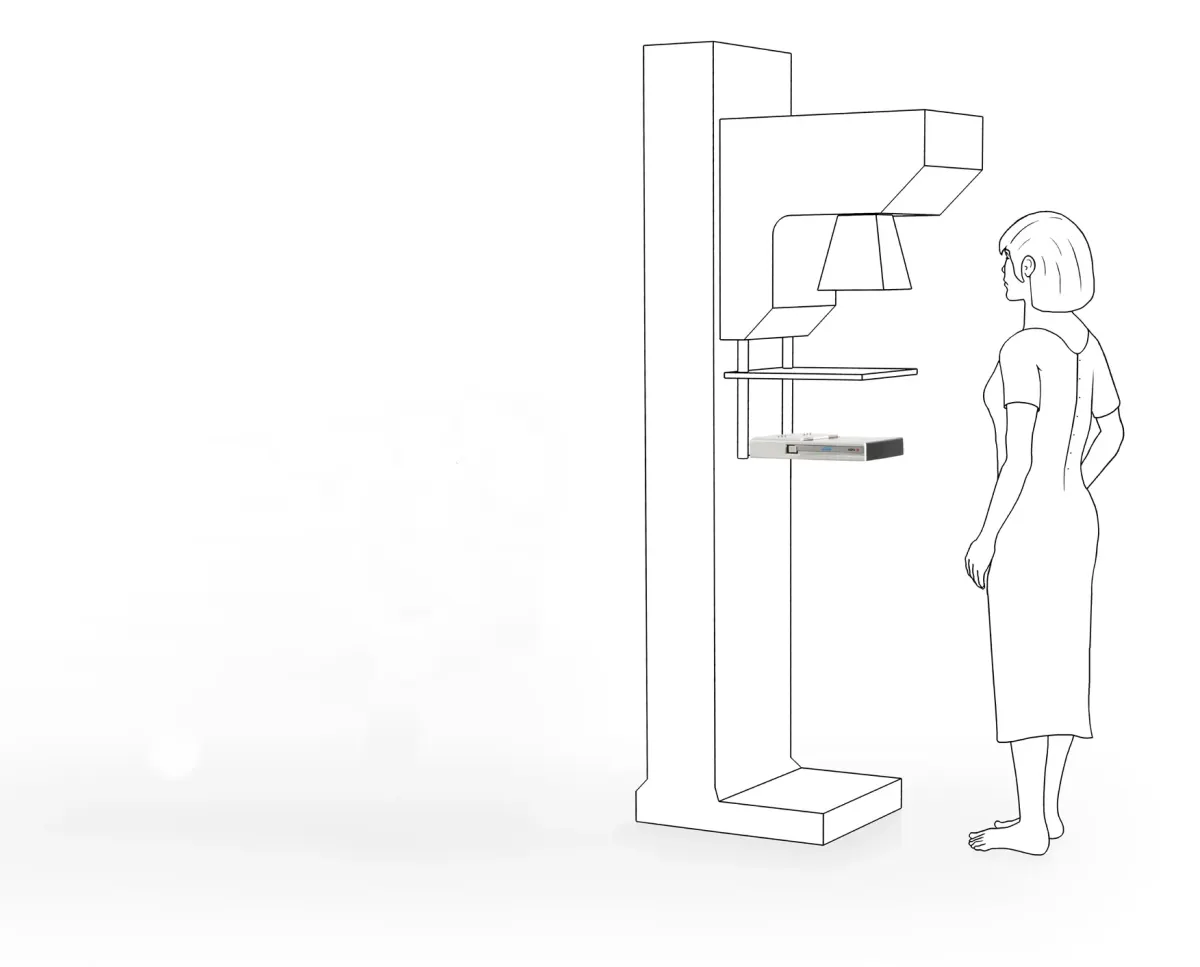
Article · Mammography
Agfa Mammography Portfolio
Agfa's vendor-neutral mammography portfolio: Mamoray film, DRYSTAR printers, MUSICA processing, CR Mammo and DR Mammo Retrofit.
Agfa
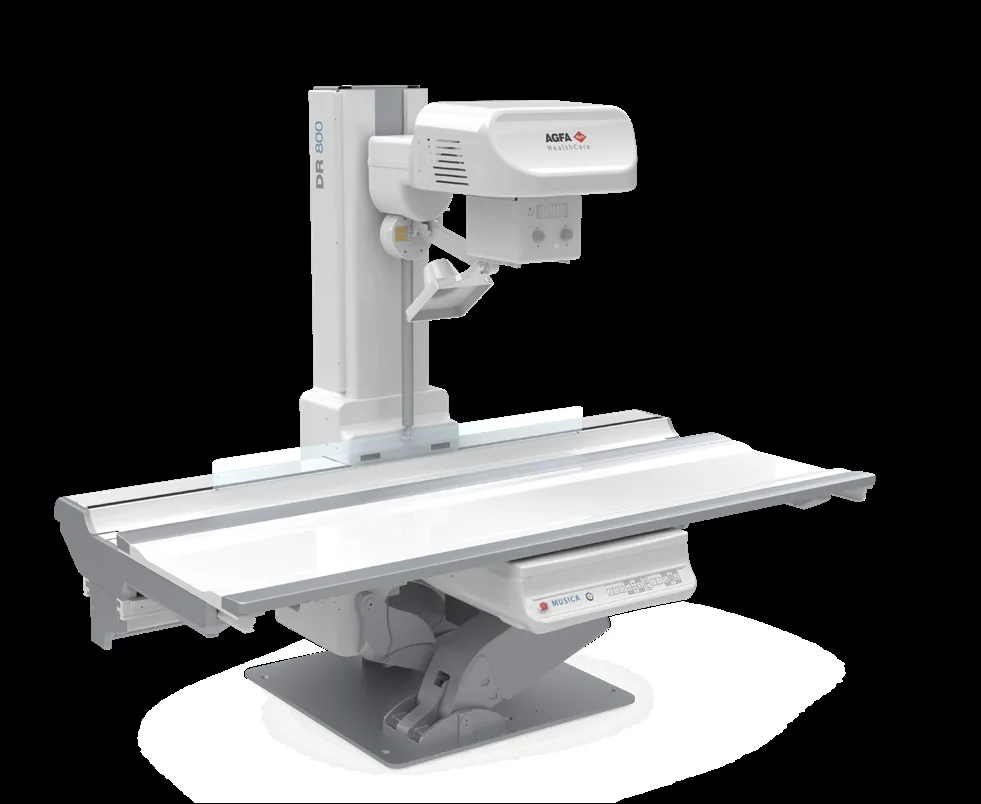
Article · DR Detectors
Agfa Digital Radiography (DR) Portfolio Overview
Overview of the Agfa DR portfolio: DR 600, DR 800, DX-D 300, DR 400, DX-D 100+, DR 100e, DR Retrofit and DR detectors, all powered by MUSICA image processing.
Agfa

Article · Veterinary
Agfa Equine Digital Radiography with MUSICA 3+ Image Processing
Agfa veterinary DR for equine and large animal imaging with MUSICA 3+ processing, wireless detectors and a low-cost upgrade path from film or CR.
Agfa