

Article2 min read
Health Datasets as Assets: Blockchain-Based Valuation and Transaction Methods
Review article on treating health datasets as intangible assets, with accounting-based valuation methods and blockchain for secure transactions and micropayments.
This review article, published in 2022 in Blockchain in Healthcare Today, was written by Wendy M. Charles and Brooke M. Delgado of BurstIQ. The authors examine how health datasets can be regarded as intangible assets with future economic benefit, and how blockchain provides a platform for securely transacting these data.
Highlights
- Health data, including health records, are intangible assets with future economic value.
- Although these data are valued on the black market, there are no established methods for valuing them in legitimate research and commercial applications.
- Blockchain has made it possible to transfer assets without intermediaries.
- Blockchain allows authorized individuals to validate transactions and provides security, auditability and transparency.
- The article describes data valuation methods consistent with accounting principles and blockchain-based real-time payment and micropayment methods.
Summary
Identifiable patient information is collected in almost every health setting, from apps and wearable devices to healthcare facilities. Beyond clinical use, these data are routinely shared with or sold to technology and life sciences organizations to drive healthcare innovation, new businesses and new revenue streams.
Research organizations have a strong need for health data to obtain real-world evidence. One example is the use of electronic health records as historical control groups in FDA drug approvals. Using existing data can reduce research cost and time.
The authors present data valuation methods in line with accounting principles, discuss the valuation of health data on the black market, and explain how blockchain can serve as a medium for transacting research data and managing real-time payments and micropayments.
Source:Blockchain in Healthcare Today(blockchainhealthcaretoday.com)(opens in a new tab)
Frequently asked questions
How are health data classified economically?
Health data, including health records, are intangible assets with future economic value.
Are there established methods for valuing health data in legitimate applications?
Although these data are valued on the black market, there are no established methods for valuing them in legitimate research and commercial applications.
What capability has blockchain provided for transferring assets?
Blockchain has made it possible to transfer assets without intermediaries.
What features does blockchain provide for transactions?
Blockchain allows authorized individuals to validate transactions and provides security, auditability and transparency.
How do researchers use health data to obtain real-world evidence?
One example is the use of electronic health records as historical control groups in FDA drug approvals.
How can blockchain be used in payment management?
Blockchain can serve as a medium for transacting research data and managing real-time payments and micropayments.
Attachments
Comments
No comments yet. Be the first to share your view.
Leave a comment
More to read
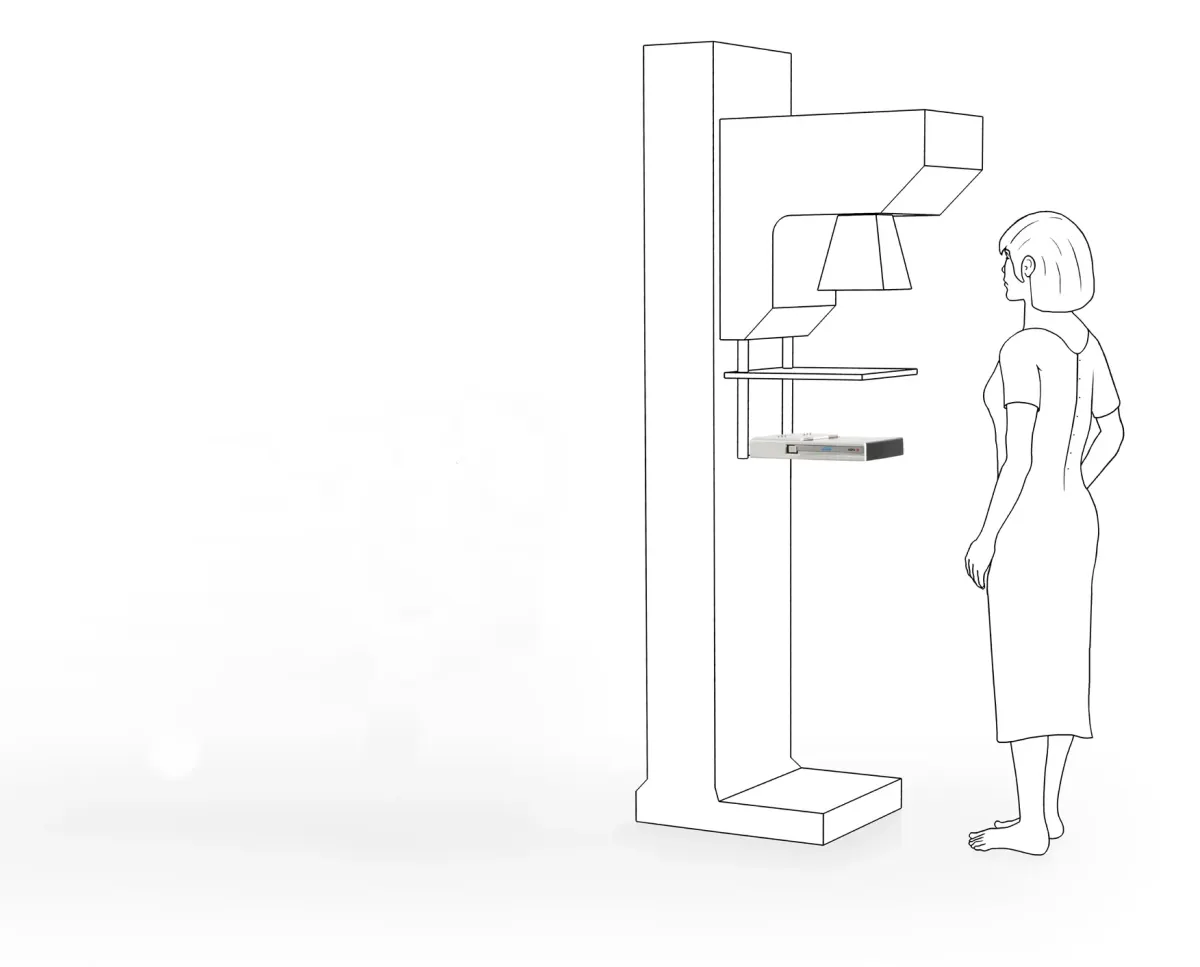
Article · Mammography
Agfa Mammography Portfolio
Agfa's vendor-neutral mammography portfolio: Mamoray film, DRYSTAR printers, MUSICA processing, CR Mammo and DR Mammo Retrofit.
Agfa
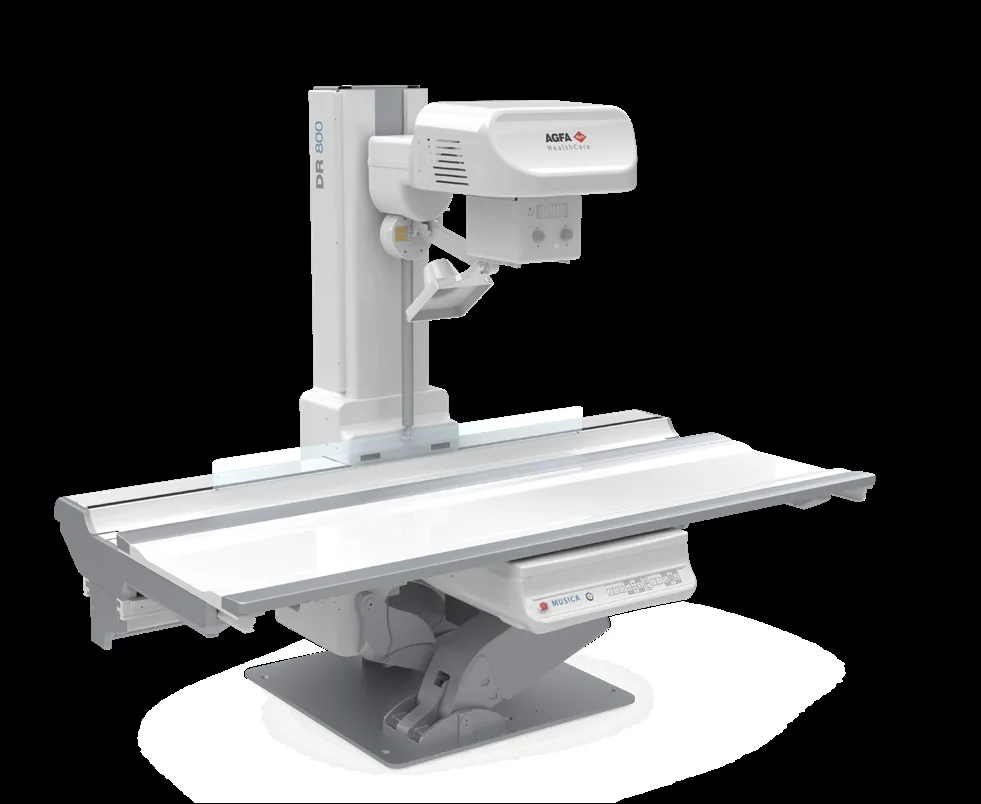
Article · DR Detectors
Agfa Digital Radiography (DR) Portfolio Overview
Overview of the Agfa DR portfolio: DR 600, DR 800, DX-D 300, DR 400, DX-D 100+, DR 100e, DR Retrofit and DR detectors, all powered by MUSICA image processing.
Agfa

Article · Veterinary
Agfa Equine Digital Radiography with MUSICA 3+ Image Processing
Agfa veterinary DR for equine and large animal imaging with MUSICA 3+ processing, wireless detectors and a low-cost upgrade path from film or CR.
Agfa