

Article2 min read
Microfilm Storage and Preservation Guide (EPM D-31)
EPM D-31 guide to the permanence of silver-gelatin, TPS, diazo and vesicular microfilms, correct processing and proper storage conditions.
The Micrographic Quality D-31 guide from Eastman Park Micrographics (July 2015 edition) reviews the composition and permanence characteristics of black-and-white silver-gelatin, thermally processed silver (TPS), diazo and vesicular films, and describes the main requirements for correct processing and proper storage conditions for microfilm records.
Highlights
- The permanence of film records depends on the chemical stability of the film, how it is processed and the storage conditions
- Day-to-day working copies are exposed to dust, scratches, fingerprints, light and pollutants and are not suitable for long-term storage
- For long-term storage, duplicate copies should be made with proper filming and processing, minimal handling and a controlled environment
- All IMAGELINK silver and non-silver microfilms are made on polyester base and have never been made on nitrate base
- IMAGELINK silver-gelatin microfilms meet ANSI specifications for LE 500 when processed according to EPM recommendations
Content overview
Photographic film remains an important documentary material, and the growing volume and value of microfilm records in financial institutions, libraries, government offices and industry make proper storage essential. The stability of film layers is determined during manufacture and processing, but storage conditions are in the user's hands.
The guide begins by defining basic terms: film base (acetate, polyester, nitrate), emulsion and latent image, antihalation layer, non-curl layer, dimensional stability and safety film. Polyester base is very durable and has excellent dimensional stability. Electronic imaging concepts such as digitization are also defined.
The main topics of the guide are:
- Record classification and storage hazards: fire, safes and secure vaults, high temperature, water, high and low humidity
- Humidity control: molecular sieves, air conditioning, moisture-proof containers and humidification
- Fungus growth, microscopic blemishes, toning and chemical contamination
- Composition of enclosure materials: paper, plastic, metal, adhesives and printing inks
- Processing for permanence: fixing bath, washing, drying, residual hypo and residual silver compound tests, protective coatings
- Processing of TPS, diazo and vesicular films
- Special storage: underground storage and time capsules
- Handling, filing and inspection of film records
- Tables of related standards, microfilm life expectancies and recommended temperature and relative humidity
Source:Eastman Park Micrographics(epminc.com)(opens in a new tab)
Frequently asked questions
What base are IMAGELINK microfilms produced on?
All IMAGELINK silver and non-silver microfilms are made on polyester base and have never been made on nitrate base.
Which specification do IMAGELINK silver-gelatin microfilms meet?
When processed according to EPM recommendations, they meet ANSI specifications for LE 500.
Why are day-to-day working copies unsuitable for long-term storage?
They are exposed to dust, scratches, fingerprints, light and pollutants.
What is required for long-term storage of microfilm records?
Duplicate copies should be made with proper filming and processing, minimal handling and a controlled environment.
What factors affect the permanence of film records?
It depends on the chemical stability of the film, how it is processed and the storage conditions.
Attachments
Comments
No comments yet. Be the first to share your view.
Leave a comment
More to read
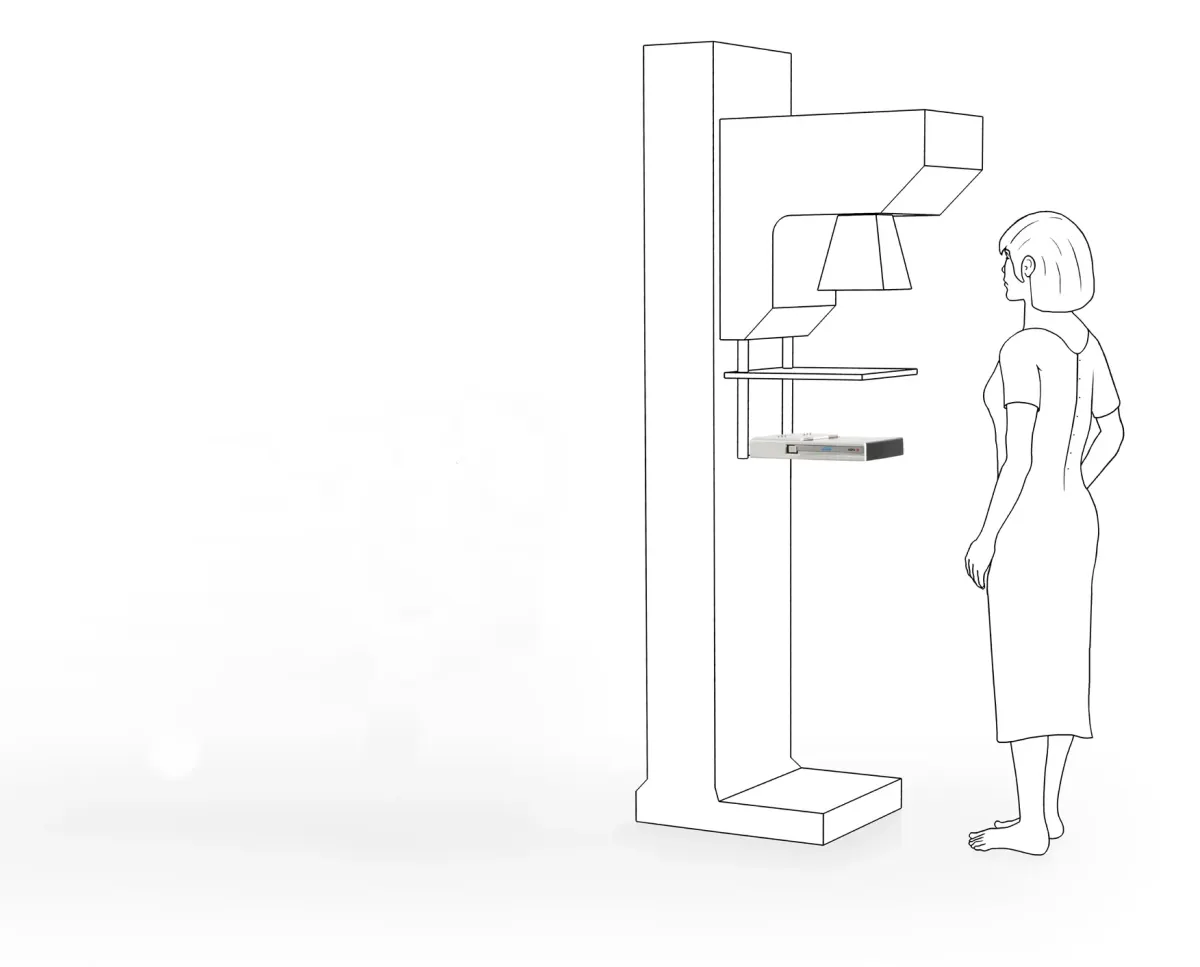
Article · Mammography
Agfa Mammography Portfolio
Agfa's vendor-neutral mammography portfolio: Mamoray film, DRYSTAR printers, MUSICA processing, CR Mammo and DR Mammo Retrofit.
Agfa
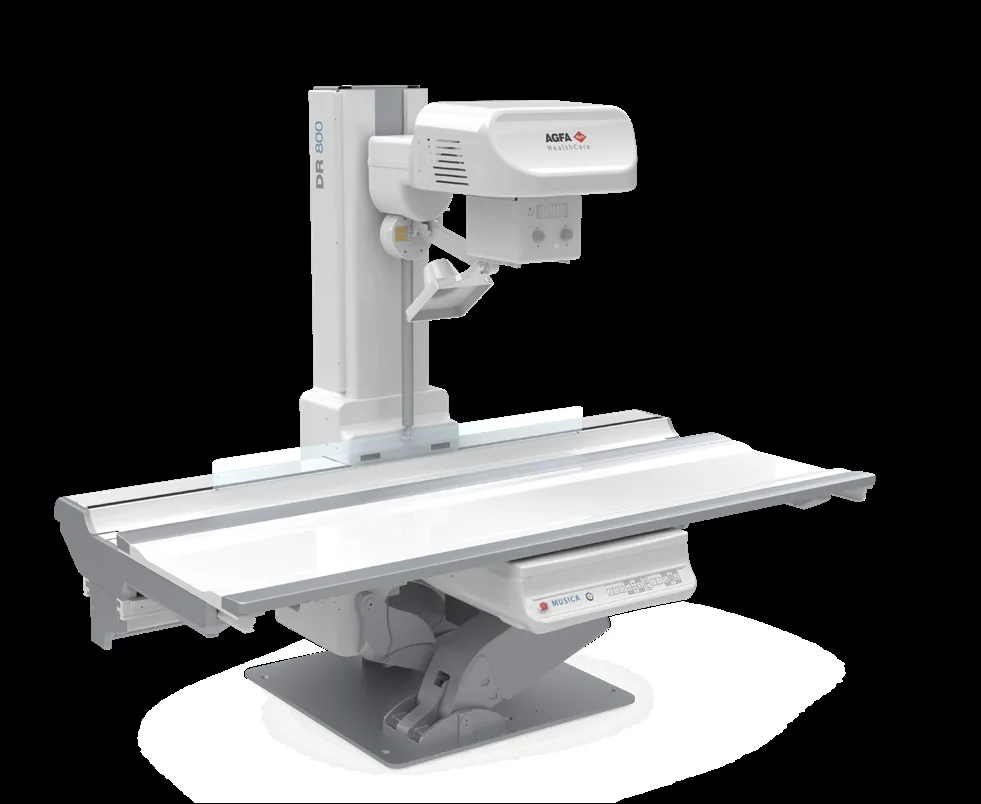
Article · DR Detectors
Agfa Digital Radiography (DR) Portfolio Overview
Overview of the Agfa DR portfolio: DR 600, DR 800, DX-D 300, DR 400, DX-D 100+, DR 100e, DR Retrofit and DR detectors, all powered by MUSICA image processing.
Agfa

Article · Veterinary
Agfa Equine Digital Radiography with MUSICA 3+ Image Processing
Agfa veterinary DR for equine and large animal imaging with MUSICA 3+ processing, wireless detectors and a low-cost upgrade path from film or CR.
Agfa